Embracing a MindfullyModern Lifestyle for Balance and Well-Being
In an era defined by constant digital noise, relentless schedules, and an ever-growing list of obligations, the concept of mindfullymodern has emerged as a beacon for those seeking equilibrium. This philosophy blends the best of contemporary living—technology, innovation, and efficiency—with the ancient practice of mindfulness, which emphasizes presence, intention, and self-awareness. Rather than rejecting modern advancements, a mindfullymodern approach encourages us to use them with purpose, ensuring they enhance our lives rather than overwhelm them. By weaving mindfulness into our daily routines, we can reduce stress, cultivate deeper connections, and foster a sense of calm amidst the chaos.
The journey toward a mindfullymodern existence begins with small, intentional shifts. It is not about perfection but about progress—learning to pause, breathe, and choose responses over reactions. This article explores the core principles of this lifestyle, offering practical strategies to integrate mindfulness into technology use, home environments, work habits, and personal growth. Whether you are a busy professional, a parent juggling multiple roles, or simply someone craving more peace, the mindfullymodern path provides a framework for living fully in the present while embracing the tools of our time.
Understanding the MindfullyModern Philosophy
At its heart, the mindfullymodern philosophy is about conscious living. It acknowledges that we live in a fast-paced, hyperconnected world but insists that we do not have to be slaves to it. Instead, we can curate our experiences, choosing what serves us and letting go of what drains us. This approach draws from mindfulness meditation, which teaches nonjudgmental awareness of the present moment, and applies it to modern contexts. For instance, instead of mindlessly scrolling through social media, a mindfullymodern person might set intentional time limits and engage with content that inspires or educates.
Another key aspect is simplicity. By decluttering both physical spaces and mental loads, we create room for what truly matters. This does not mean living minimally in the sense of deprivation but rather prioritizing quality over quantity. A mindfullymodern home might feature clean lines, natural materials, and technology that is hidden or used only when needed. The goal is to design an environment that supports focus and relaxation, reducing the sensory overload that often leads to anxiety. Ultimately, this philosophy empowers individuals to reclaim their time and attention, fostering a sense of agency in a world that often feels out of control.
MindfullyModern Technology Use: Digital Wellness
One of the most significant challenges of modern life is managing our relationship with technology. Smartphones, laptops, and smart devices are designed to capture our attention, often leading to compulsive checking and reduced productivity. A mindfullymodern approach to technology involves setting boundaries that align with our values. For example, you might designate tech-free zones in your home, such as the dining table or bedroom, to encourage face-to-face interaction and better sleep. Using apps that track screen time or block distracting websites can also help you stay focused during work hours.
Beyond mere restriction, digital wellness is about intentional engagement. Before picking up your phone, ask yourself: What is my intention? Am I seeking connection, information, or distraction? By answering honestly, you can choose activities that nourish rather than deplete. Additionally, consider curating your digital environment—unfollow accounts that trigger comparison or negativity, and subscribe to newsletters or podcasts that promote growth and calm. The mindfullymodern philosophy reminds us that technology is a tool, not a master. When used with awareness, it can enhance learning, creativity, and connection without compromising our mental health.
Creating a MindfullyModern Home Environment
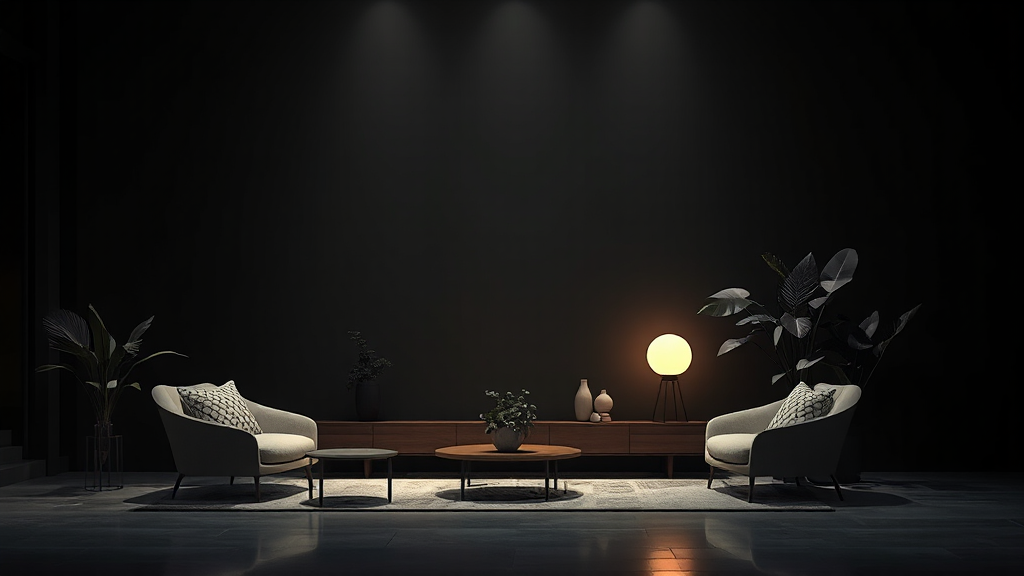
Your physical surroundings have a profound impact on your mental state. A cluttered, chaotic home can contribute to feelings of stress and overwhelm, while a thoughtfully organized space can promote peace and clarity. The mindfullymodern home is designed with intention, balancing aesthetics with functionality. Start by decluttering room by room, keeping only items that serve a purpose or bring joy. Invest in storage solutions that keep surfaces clear, and choose furniture with clean, simple lines that evoke a sense of calm.
Natural elements play a crucial role in this design philosophy. Incorporate plants, natural light, and materials like wood, stone, or cotton to create a grounding atmosphere. Technology should be integrated discreetly—for example, using a smart speaker for music or reminders but keeping it out of sight when not in use. The color palette often leans toward neutrals and soft earth tones, which are known to reduce visual stimulation. By creating a sanctuary that reflects your values, you make it easier to practice mindfulness throughout the day, whether you are cooking, working, or relaxing.
MindfullyModern Work and Productivity
In the workplace, the mindfullymodern approach can transform how we approach tasks and manage stress. Traditional productivity methods often emphasize doing more in less time, which can lead to burnout. Instead, mindful productivity focuses on doing what matters with full attention. Techniques like the Pomodoro method—working in focused intervals with short breaks—can help maintain concentration. Equally important is the practice of single-tasking: dedicating your full attention to one activity at a time, rather than multitasking, which diminishes quality and increases fatigue.
Setting clear boundaries is another pillar. This might mean defining your work hours and sticking to them, even when working from home. Use tools like calendar blocks to prioritize deep work, and schedule regular breaks to step away from screens. Mindfulness practices such as brief breathing exercises or a short walk can reset your focus and reduce stress. By approaching work with intention, you not only improve output but also enhance your well-being. The mindfullymodern professional understands that rest and reflection are not luxuries but necessities for sustained creativity and performance.
MindfullyModern Relationships and Communication
Our connections with others are the bedrock of a fulfilling life, yet modern communication often undermines their quality. Text messages, emails, and social media can create a sense of constant contact without true intimacy. A mindfullymodern approach to relationships emphasizes presence and active listening. When you are with someone, put away your devices and give them your full attention. This simple act of being fully present can deepen bonds and reduce misunderstandings.
Digital communication also benefits from mindfulness. Before sending a message, consider your tone and intent. Avoid reacting impulsively to a heated email; instead, take a moment to breathe and respond thoughtfully. Schedule regular phone or video calls with loved ones, and prioritize in-person gatherings when possible. The mindfullymodern philosophy encourages us to nurture relationships with the same care we give to other areas of life. By being intentional about how we connect, we build a support system that sustains us through challenges and amplifies our joys.
MindfullyModern Self-Care and Personal Growth
Self-care is often misunderstood as indulgence, but in the mindfullymodern framework, it is a vital practice for maintaining resilience. True self-care involves activities that replenish your energy and align with your values. This could include meditation, journaling, gentle exercise, or simply reading a book. The key is to choose practices that foster self-awareness and compassion, rather than escapism. For example, instead of binge-watching a show to unwind, you might try a guided meditation or a nature walk.
Personal growth is another dimension. The mindfullymodern person views life as a journey of continuous learning. Set aside time for reflection—perhaps through a weekly review of your goals and emotions. Embrace challenges as opportunities for growth, and practice self-compassion when you fall short. Reading books on mindfulness, attending workshops, or joining a community of like-minded individuals can provide support and inspiration. By investing in your inner development, you cultivate a sense of purpose that transcends external achievements.
Overcoming Challenges on the MindfullyModern Path
Adopting a mindfullymodern lifestyle is not without its obstacles. Old habits die hard, and the pull of instant gratification can be strong. You may find yourself slipping into mindless scrolling or neglecting your meditation practice. The key is to approach these setbacks with curiosity rather than judgment. Ask yourself what triggered the behavior and how you can adjust your environment to support your intentions. For instance, if you often reach for your phone in bed, place it in another room at night.
Another common challenge is societal pressure. Friends, family, or colleagues may not understand your choices, especially if you limit screen time or prioritize rest. Communicate your boundaries kindly but firmly, and lead by example. Remember that the mindfullymodern path is personal—it is about what works for you, not about comparing yourself to others. Over time, as you experience the benefits of greater calm and clarity, staying committed becomes easier. Celebrate small victories, and be patient with the process.
FAQs
What does mindfullymodern mean?
Mindfullymodern is a lifestyle philosophy that combines mindfulness practices with modern living. It encourages intentional use of technology, thoughtful design of physical spaces, and conscious choices in work, relationships, and self-care to promote balance and well-being.
How can I start living a mindfullymodern life?
Start small. Choose one area, such as your morning routine or smartphone use, and introduce a mindful practice. For example, set an intention for the day, limit social media to 15 minutes, or create a clutter-free corner in your home. Gradually expand to other areas as you build consistency.
Is mindfullymodern the same as minimalism?
While both emphasize simplicity, mindfullymodern is broader. It includes mindfulness as a core component, whereas minimalism focuses primarily on reducing possessions. The mindfullymodern approach integrates mindfulness into all aspects of life, including technology, relationships, and work.
Can mindfullymodern help with stress and anxiety?
Yes, many people find that adopting mindfullymodern practices reduces stress by promoting present-moment awareness and reducing overwhelm. Techniques like digital detoxes, mindfulness meditation, and intentional scheduling can lower anxiety and improve emotional regulation.
Do I need to meditate to be mindfullymodern?
Meditation is a helpful tool but not a requirement. The mindfullymodern philosophy is about bringing mindfulness into everyday activities—eating, walking, working, or listening. You can practice mindfulness without formal meditation by paying full attention to whatever you are doing.
Conclusion: Your MindfullyModern Journey Begins Now
The mindfullymodern lifestyle is not a destination but an ongoing practice. It invites you to slow down, tune in, and make choices that honor your well-being in a fast-paced world. By integrating mindfulness into technology use, home design, work, relationships, and self-care, you can cultivate a life that feels both grounded and vibrant. Start where you are, with one small change, and let the ripple effects transform your days. Embrace the journey with an open heart, and remember that every moment is an opportunity to live with intention. The path of mindfullymodern is yours to create—step by step, breath by breath.